
The three-day route at a glance
Only in Shanghai between flights? Start with the Shanghai layover decision guide before borrowing a stop from this itinerary. Check entry permission, baggage handling, both airport journeys and your return deadline first. This route assumes three full sightseeing days; it is not a plan for a single flight connection.
| Day | Main plan | Optional extra | What to arrange first |
|---|---|---|---|
| 1 | Yu Garden area → lunch → Bund | Return for an evening river view | Garden admission if you want to enter |
| 2 | People's Square exhibition, if chosen → Xintiandi | Replace Xintiandi with a Wukang Road walk | Current exhibition admission and chosen museum branch |
| 3 | Lujiazui → Pudong riverside | One observation deck in good visibility | Tower ticket conditions, if buying one |
These are suggested activity blocks, not appointment times or a guided tour. Each day leaves room for a seated lunch and a break. If you have only two full days plus arrival, keep Days 1 and 2 and make the Pudong skyline a view from the Bund instead of another transfer.
Before choosing a hotel, compare Shanghai neighborhoods. A usable route from the hotel matters more than a listing described as “central.” Check PVG versus SHA airport transfers separately; neither airport arrival should be counted as an instant start at your first attraction.
Day 1: Yu Garden and the Bund
Start with the old-city area around Yu Garden (豫园). Decide whether you want the enclosed garden, time in the surrounding shopping streets, or both. The Shanghai government introduction to Yu Garden describes the garden as a distinct attraction. A stroll around the bazaar is not the same visit as entering the garden, and a special evening event should not be assumed to use the ordinary daytime ticket.
Allow the morning for your chosen visit rather than booking another attraction immediately afterward. Eat before moving on: a shopping street can supply snacks, but sitting down for lunch makes the afternoon much easier. Our food-ordering guide covers menus, dietary questions and paying without promising that every QR ordering system will work.
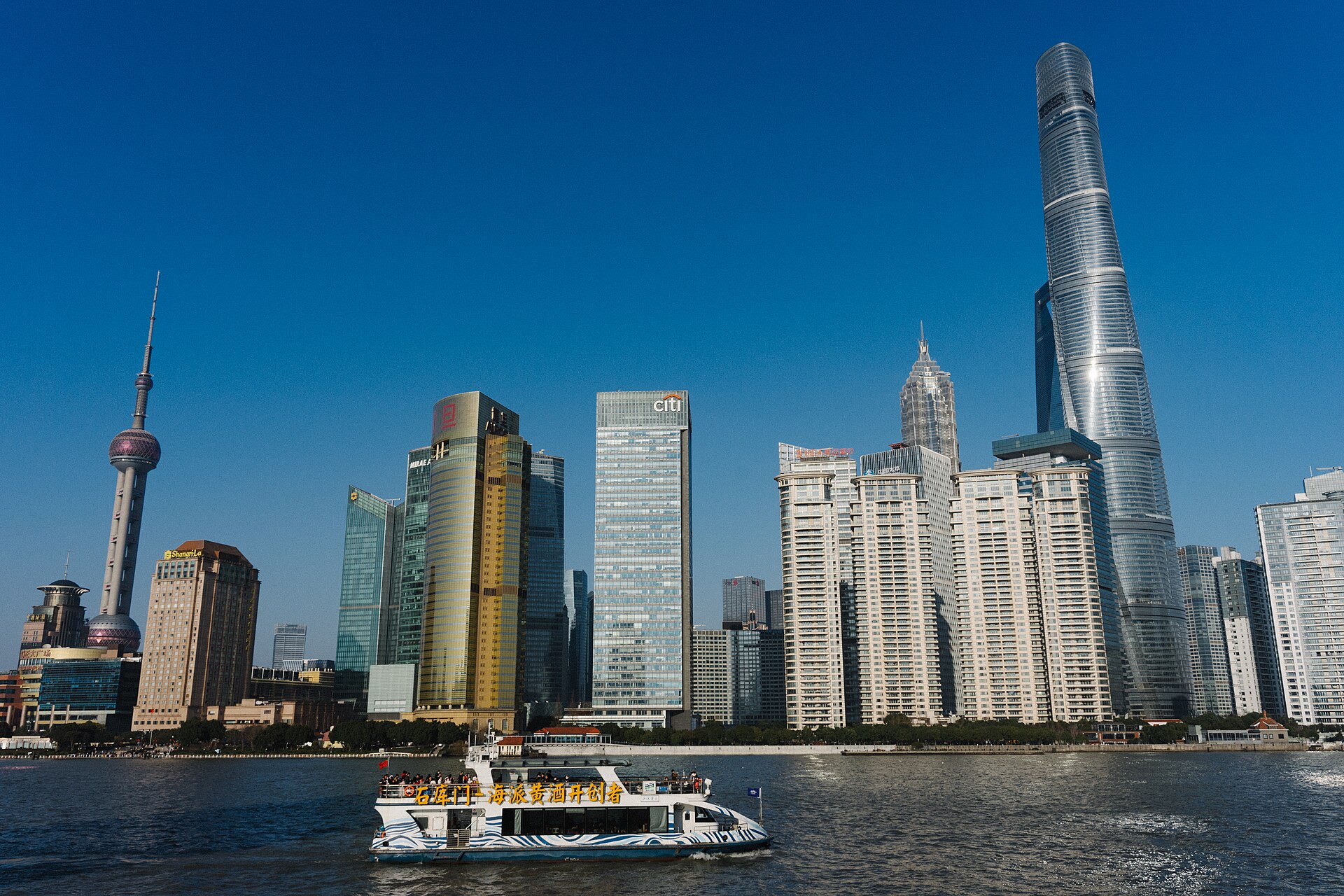
After lunch, move toward the Bund (外滩). Check a current walking route from your actual exit; tired travelers can use local transport instead. On the riverfront, choose a manageable stretch of promenade and look across to Pudong. You do not need to pay for a tower to see the skyline.
If the weather is comfortable, stay for the changing evening light. Otherwise return to the hotel and decide later whether a second outing is worthwhile. Do not attach a fixed illumination time to this plan: seasonal events and operational arrangements can change. A river cruise is an optional purchase, not an essential part of the route; confirm the pier and boarding requirements directly before committing.
Day 2: People's Square museum and one neighborhood
Keep this day centered on an indoor visit and one neighborhood. Choose Shanghai Museum at People's Square (上海博物馆人民广场馆) only if its current exhibition interests you. The museum's official visitor notice says this branch hosts the ancient American civilizations exhibition from 9 July 2026 to 14 November 2027, with no other exhibitions during that period and ticket purchase required for all visitors. Do not plan it as a free permanent-collection stop. Check the exhibition's current admission arrangements for your date.
Shanghai Museum East (上海博物馆东馆) is a separate destination in Pudong. The same notice says individual visitors can enter with an original valid identity document without an ordinary advance reservation. Designated spaces still require reservations, paid special exhibitions have separate ticketing, and capacity controls can apply. This is the published policy, not a firsthand passport-entry test.
If you choose the People's Square exhibition, leave time for that visit, then have lunch and continue to Xintiandi (新天地) for a contrasting street-level afternoon. Leave enough time to sit down, browse and stop without navigating to a new landmark every half hour.
Prefer leafy streets and architecture? Replace Xintiandi with the Wukang Road / Anfu Road area (武康路 / 安福路). It is a separate outing requiring another journey from the museum, not the next block outside its door. Use the Wukang Road–Anfu Road self-guided walk for the street-by-street sequence and a shorter finish. Respect residential entrances. Do not combine both neighborhood options merely because they appear on the same list.
If you prefer the East branch, keep the neighborhood walk on Day 2 and replace part of Day 3 with the museum visit. Plan the journey within Pudong; the museum is not beside the Lujiazui riverfront. Check opening days before making the swap. For another indoor choice, use our Shanghai attraction selection guide and replace the museum block rather than adding more stops.
If you choose Museum East and want a gift to take home, our Shanghai souvenir guide explains what to look for, the listed shop hours and the entry checks. Keep shopping within the museum visit rather than adding a separate cross-city trip.
Day 3: Lujiazui and a different view of the river
Cross to Lujiazui (陆家嘴) for a closer look at the towers and the Pudong side of the Huangpu. Use the Shanghai Metro guide to plan from your hotel, including the station exit and the final walk. The district is larger at pavement level than a skyline photograph suggests.
Make one decision before buying anything: do you want an observation deck, or would you rather enjoy the riverfront and spend the money elsewhere? For a deck, compare the exact tower, timed-entry terms, visibility and cancellation policy. A ticket cannot guarantee a clear view. Avoid buying several tower admissions for the same afternoon unless that is a particular interest.
Have lunch, then give the riverside your remaining energy. Choose a turnaround point so the walk ends near a practical ride home. A mall break is a useful rain or heat alternative; it need not become another shopping obligation. Keep the final evening flexible if you travel onward the next morning.
Shanghai Disneyland, Zhujiajiao and Suzhou are deliberate substitutions, not small additions to this day. If one is your main reason for visiting, replace a whole day and rebuild the transport and booking plan around it.
Make the plan fit your dates and energy
- Late arrival: eat near your hotel and start sightseeing the following morning. Do not make a prepaid attraction depend on an uncertain landing-to-hotel interval.
- Rain: move the museum to the wettest available day and shorten the riverfront walk. Check reservations again after changing dates.
- Children or limited walking tolerance: keep one main activity and one optional stop each day; confirm lifts and step-free access for the actual route.
- Departure day: work backward from the airport or station requirements. The sightseeing plan ends when you need to collect bags, not when transport departs.
Costs and bookings to keep separate
Build your budget from hotel nights, airport journeys, daily transport, meals and optional admissions. This itinerary does not quote a universal daily cost: a public riverfront walk and a tower-plus-cruise afternoon create very different totals. Confirm the total for your actual dates before paying, including any service charge and refund restriction.
For reservations, use our foreign-passport attraction checklist. For combining Shanghai with Beijing, read the seven-day China route and Beijing–Shanghai train guide. Treat the intercity travel day as travel, rather than copying three full sightseeing days into a three-night stop.
Want this adapted to your trip?
You can use this free plan independently. If you want a sequence shaped around your hotel, dates, interests and pace, we offer a human-reviewed English itinerary PDF for 2–8 days. It does not include reservations, tickets, hotels, guides, transfers or live support. See a sample or see personalized planning scope and prices.
Source-based planning guidance, not a firsthand trip report or a booked service. Recheck venue notices for your travel dates. Editorial method and corrections.